The CAA updated the UK Drone and Model Aircraft Code in March 2026. Here is a plain-English breakdown of the key rules — from registration and flyer IDs to restricted airspace and the three operational categories — and how Ark Aerial Photography 360 operates in full compliance.
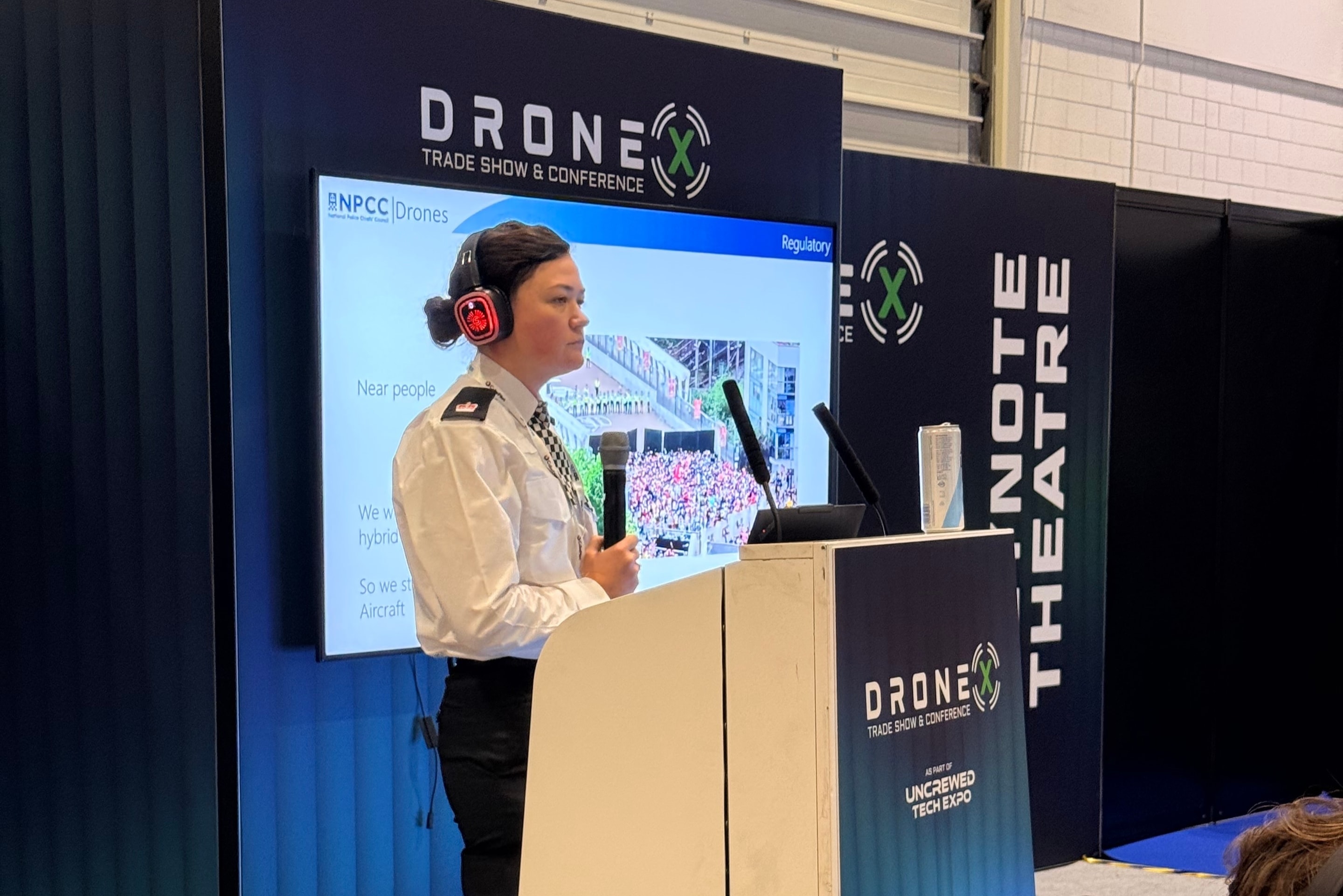
The CAA updated the UK Drone and Model Aircraft Code in March 2026, and if you fly a drone — or hire someone who does — it is worth understanding what has changed and what the rules mean in practice.
At Ark Aerial Photography 360, compliance is not an afterthought. Every job we take on is planned and executed in full accordance with the Code. This guide breaks it all down in plain English.
What Is the UK Drone Code?
The UK Drone and Model Aircraft Code is the Civil Aviation Authority's set of rules governing the safe and legal operation of drones (Remotely Piloted Aircraft Systems, or RPAS) and model aircraft in UK airspace. It covers everything from who needs to register, where you can fly, and how close you can get to people and property.
The March 2026 update refined several rules around the Open category and clarified requirements for operations near congested areas — relevant to a lot of the commercial work we do in Shropshire and the West Midlands.
The Three Operational Categories
Open Category
The Open category covers most recreational and lower-risk commercial flights. No authorisation from the CAA is required, but you must:
- Hold a valid Operator ID (renewed annually)
- Hold a valid Flyer ID (requires passing an online theory test)
- Fly below 120 metres above ground level
- Keep the drone within visual line of sight at all times
- Stay away from uninvolved people by the distances specified for your drone's class
Specific Category
The Specific category applies to operations that carry higher risk — flying over crowds, near airports, or beyond visual line of sight. Operators must either hold a specific qualification or obtain a specific authorisation from the CAA.
Certified Category
The Certified category is reserved for the highest-risk operations — large drones, flights over people, and certain Beyond Visual Line of Sight (BVLOS) operations. This requires full CAA certification of both the aircraft and the operator.
Key Rules Every Pilot Must Follow
Registration: Any drone weighing 250g or more must be registered with the CAA. The Operator ID must be displayed on the aircraft.
Restricted airspace: You must check for restricted zones before every flight. We use NATS and the Drone Assist app on every job to confirm the airspace is clear.
Distance from people: In the Open category, you must maintain a minimum horizontal distance from uninvolved people. The exact distance depends on your drone's class marking.
Congested areas: Flying over or near congested areas (towns, cities, gatherings of people) requires a Specific category authorisation — you cannot do it under Open category rules alone.
Night flying: Flying at night is permitted under the Open category provided you comply with lighting requirements and maintain visual line of sight.
How Ark Aerial Photography 360 Operates
Every shoot we undertake follows the same pre-flight process:
- Airspace check via NATS and Drone Assist
- Site survey — identifying hazards, people, structures, and emergency landing zones
- Weather assessment — wind speed, visibility, and precipitation
- Insurance confirmation — we carry £5m public liability cover on every job
We are fully registered with the CAA and hold a current Operator ID. If you are commissioning aerial photography and want to be certain the work is being done legally and safely, that is exactly what we provide.
Download the Free Drone Code Poster
We have produced a plain-English visual guide to the UK Drone Code 2026 — ideal for sharing with your team, posting in a workshop, or keeping as a quick reference. Download it free below.
Download the UK Drone Code 2026 Guide →
Find Out More About Our Credentials
You can read more about Jamie's qualifications, equipment, and approach to safe drone operations on our About page.
If you have a project in mind — aerial photography, ground photography, or a 360° virtual tour — and want to work with a fully compliant, insured, and experienced operator, get in touch.
Further Reading
For the official CAA guidance, these are the key resources:
Explore Topics
Written by
Jamie Whelan
Content creator and writer sharing insights and stories.